

This the second post in the aromatherapy massage and essential oils series, here’s a link to the first post.
Essential oils, make me very happy… literally
If you read Part One, you’ll know how much joy aromatherapy has brought me over the years. What I didn’t mention there is that I first came across essential oils in the mid-80s during an evening class with the aromatherapist and astrologer, Wanda Sellar. I was fascinated from the very beginning.
I qualified as an aromatherapist in 1991 with the London School of Aromatherapy, and I’ve been working with essential oils ever since. Even now, after all these years, opening bottles of essential oils still delights me.
Part Two feels like continuing an old conversation ,another handful of oils that have quietly supported clients, friends, family… and me.
As before, the ways I describe these oils reflect traditional use and my own experience rather than medical claims. Aromatherapy is complementary, it supports wellbeing, but it doesn’t replace medical care.
Right then… let’s open a few more bottles.
I’ve included some new essential oils, some are maybe less well-known as essential oils (like Cedarwood and Black Pepper) and others are exquisite in their fragrance (like Bergamot, Geranium and Rose Otto)
Essential oils
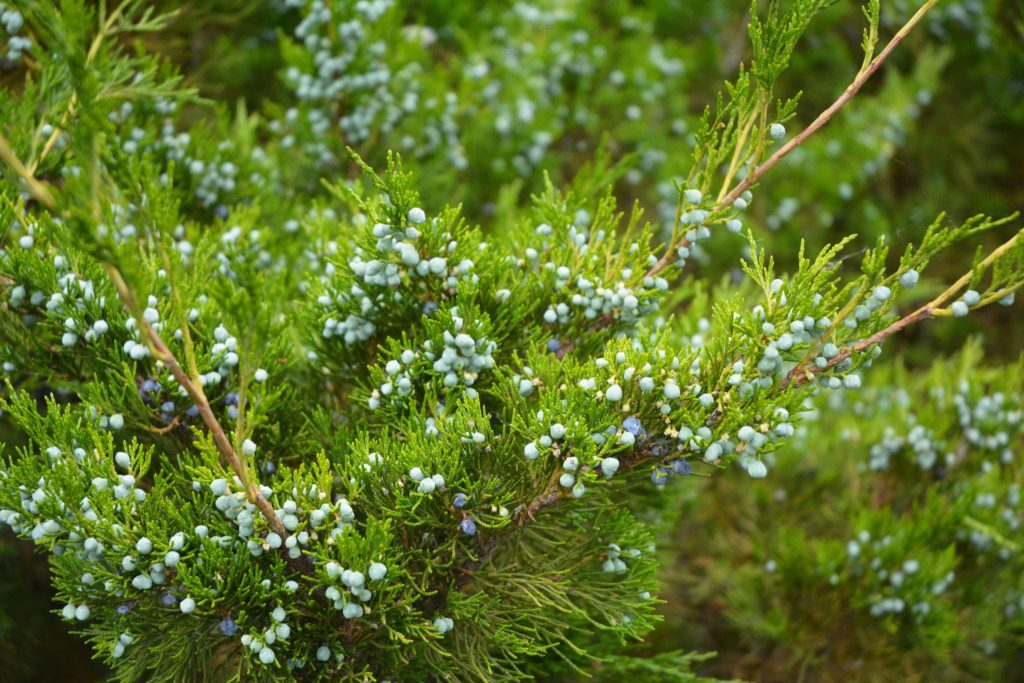
Cedarwood ( Juniperus virginiana))
Blends well with: bergamot, frankincense, neroli, rose, sandalwood, ylang-ylang, rosemary, clary sage, cypress, juniper berry
Contraindications: Generally safe when diluted in a carrier oil. As always, patch testing is wise.
This oil, I feel, does not always receive the attention it deserves. Cedarwood is often thought of as a “manly” oil, probably because it appears so often in men’s colognes as a deep earthy base note. Its natural antibacterial qualities also make it particularly useful for male skin.
But in truth Cedarwood has much more to offer than that. It is really an oil for everyone.
Its aroma is warm, woody balsamic, and slightly sweet and to me it always feels like stepping into a quiet forest. There is a sense of stillness about it. Dry wood, warm earth. The sort of scent that settles the mind.
When someone arrives feeling scattered, anxious or mentally exhausted, Cedarwood is often one of the oils I consider. It has a grounding quality that seems to bring the energy down out of the head and back into the body. Because of its gently calming nature it can also be helpful for occasional insomnia.
A few drops on a tissue tucked under the pillow, or added to a warm bath with Lavender, can be very soothing before sleep. I like to use it in a diffuser with Framkincense when I’m meditating . It’s also an expectorant , so great if you feel congested, use it in a steam inhalation with Lavender (couple of drops each in abowl of hot water. and inhale the steam)
I have used Cedarwood many times in bath oil blends for myself and for clients. Combined with Lavender and Clary Sage it creates a particularly lovely blend, adding depth and warmth while helping to calm the nervous system.
In massage blends I sometimes combine Cedarwood with Bergamot to add a little brightness, or with Black Pepper when working with muscular tension. There is something about Cedarwood that feels steady and dependable. It is a quietly supportive oil.
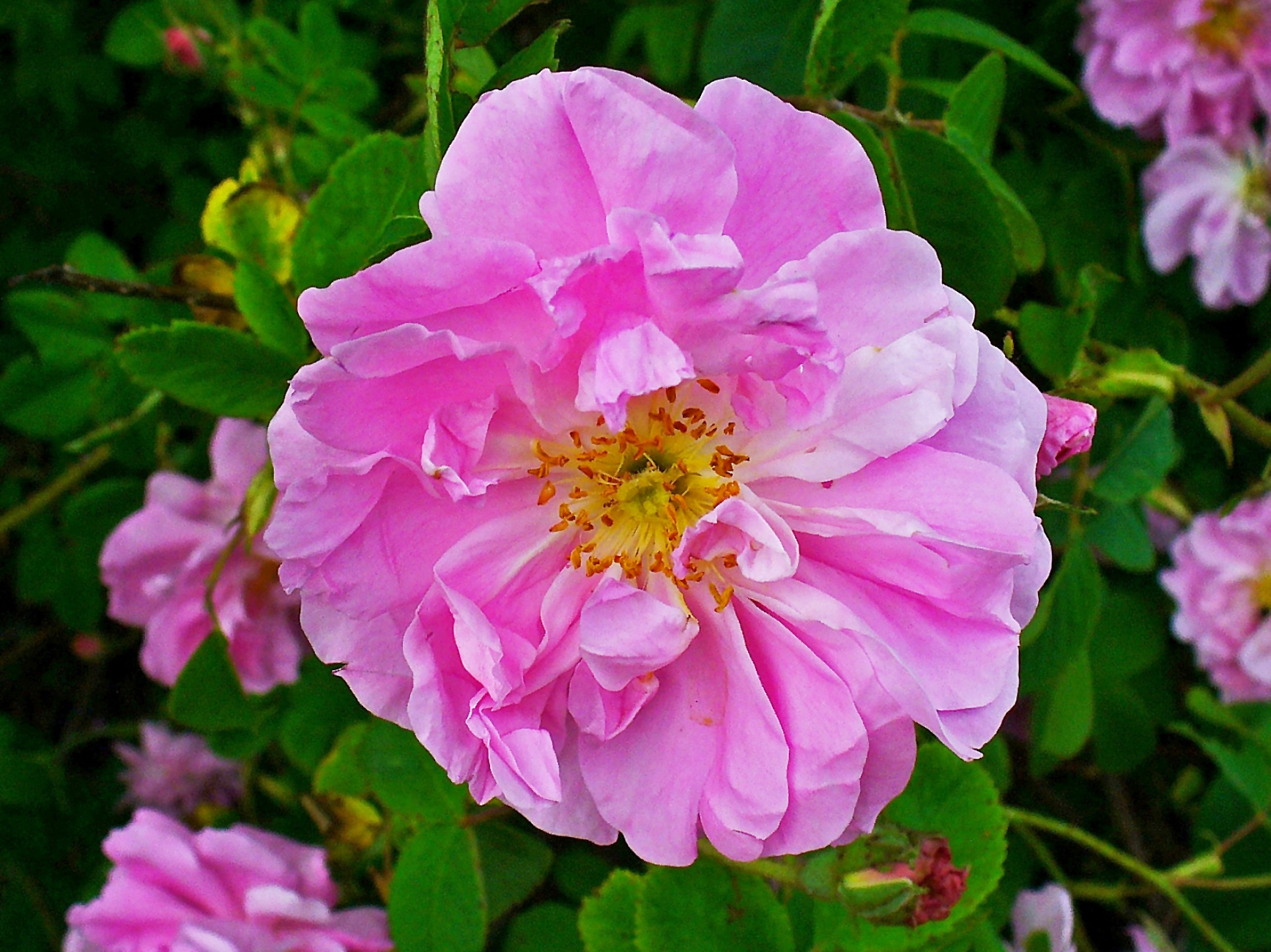
Rose Otto (Rosa damascena)

Blends well with: Geranium, Lavender, Benzoin, Bergamot, Jasmine and Frankincense
Contraindications: Avoid in early pregnancy as a precaution if there’s been a history of miscarriage (as Rose Otto is an emmenagogue) in that it stimulates blood flow in the pelvic area/uterus; which can stimulate menstruation.
Rose Otto is truly in a category of its own. The fragrance is exquisite and, I admit, one of my indulgences, even though it is one of the more expensive essential oils. The beauty of it is that you need very little. Even a single drop can transform a blend.
The scent itself is layered. Soft and floral at first, then deeper, slightly honeyed and almost velvety. It has a richness that feels both comforting and uplifting at the same time.
Emotionally this oil really comes into its own, particularly for women. Rose is often associated with the heart and emotional wellbeing. It can help ease feelings of grief or sadness, lift the mood and gently support emotional balance. I have often found it helpful during times of hormonal change, especially for pre-menstrual tension, where it seems to bring a sense of calm and steadiness.
It is also a beautiful oil for the skin. Rose Otto is often used in facial blends because of its soothing and toning qualities, particularly for sensitive or mature skin.
Personally, Rose has been very meaningful to me at certain times in my life. I remember using it after the birth of my first baby. Becoming a new parent was wonderful but also overwhelming at times, and Rose Otto felt incredibly nurturing emotionally. The scent itself became a kind of anchor during that period.
Another point worth mentioning is that this oil iis not the Rose absolute. Rose Otto is produced through steam distillation of the petals, whereas absolutes are extracted using solvents. Both have their place, but Rose Otto is the traditional distilled oil used in aromatherapy.
Because it is so concentrated, only the smallest amount is needed, but its effect can be profound.
It pairs beautifully with: Frankincense, Geranium and a touch of Bergamot for lifting your mood. A lovely addition to facial blends, particularly for mature or sensitive skin.
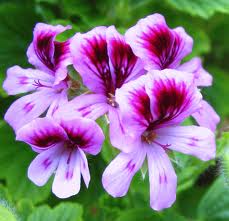
Geranium (Pelargonium graveolens)
Blends well with:, Ginger, Sandalwood, Bergamot, Clary Sage, Cedarwood, Rose Rosemary ,F rankincense, Grapefruit, Lavender, Lemon, Marjoram, Neroli, and Orange,
Contraindications: Keep in low dilution for sensitive skins and avaoid in the first trimester of pregnancy.
Its scent is gently floral but green — not overly sweet. I often think of it as the oil that “smooths the edges.” Geranium is one of those oils that quietly brings balance to a blend. It has a sweet, rosy fragrance with a slightly green note underneath, and I’ve often found it to be a very harmonising oil
It’s often associated with supporting women’s health and is particularly helpful during times of hormonal change: pre-menstrual tension (PMS), menopause, emotional fluctuations.,and around or during times of hormonal change.
In massage, I find it lovely in lymphatic-style work or when someone feels a little puffy or sluggish.
It’s also a lovely oil for the skin and is often used in facial blends because of its balancing effect on both oily and dry skin.
I like combining Geranium with oils such as Bergamot, Rose or Frankincense, Geranium is a “bridge oil.” It often links floral, citrus and woody oils together in a blend.
Bergamot (Citrus bergamia)
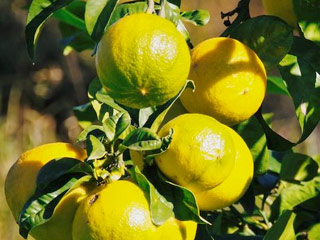
Blends well with: black pepper, clary sage, cypress, frankincense, geranium, jasmine, mandarin, nutmeg, orange, rosemary, sandalwood, vetiver and ylang-ylang
Contraindications: Bergamot oil can cause photosensitivity due to its bergaptene content. Skin that has been treated with Bergamot oil should not be exposed to strong sunlight. It is generally recommended to use it at concentrations below 1% for topical application.
IBergamot is one of the oils I often describe as the “happy” oil. The fragrance is simply divine. Fresh, slightly citrusy and uplifting, it has a wonderful ability to lift the mood.
I particularly like using Bergamot during the darker winter months when people are feeling a little low or sluggish. It can be especially supportive for those who struggle with seasonal affective disorder (SAD), as its bright and joyful scent seems to help lift the spirits and clear the mental fog that can come with the shorter days.
It is also one of the easiest oils to use around the home. A few drops in an oil burner or diffuser can quickly freshen the atmosphere of a room while gently improving the mood at the same time. Bergamot blends beautifully with many other oils, which makes it a very versatile addition to aromatherapy blends.
I tend to keep Bergamot close to hand because it is also useful for a range of skin conditions. When properly diluted in a cream or lotion it can be helpful for cuts, minor wounds, acne, eczema, psoriasis and cold sores.
One experience that has always stayed with me involved a four year old child who had chicken pox. The calamine lotion she had been given was making the itching worse, so I made up a soothing lotion using Bergamot, Tea Tree and Lavender. It worked very well and helped calm the irritation considerably.
Unfortunately for me, I then discovered I had never actually had chicken pox myself. I caught it from her and came down with it quite badly. Adult chicken pox is no joke! I ended up using the same lotion recipe on myself, which helped soothe the skin while I recovered.
Bergamot is also widely known as the flavouring used in Earl Grey tea, which many people will recognise instantly. Historically it was also a key component in the original Eau de Cologne.
In aromatherapy it is often associated with supporting emotional wellbeing and may be helpful when someone is feeling stressed, tense, lacking in confidence or generally a little out of sorts. Its fresh scent can help restore a sense of brightness and balance.
Tea tree (Melaleuca alternifolia)
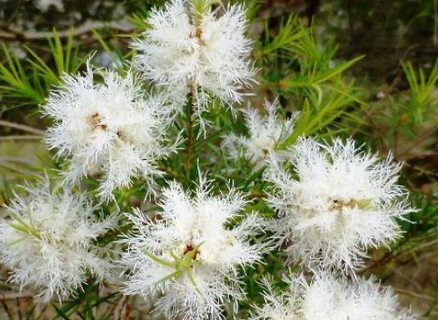
Blends well with Bergamot, Cypress, Eucalyptus, Grapefruit, Juniper Berry, Lavender, Lemon, Marjoram, Nutmeg, Pine, Rose, Rosemary and Spruce essential oils.
Contraindications: Can irritate sensitive skini if used undilted.
Tea Tree is one of those wonderfully practical oils that deserves a place in every aromatherapy kit. It is a powerful antiseptic and very economical, as a little goes a long way.
It is widely used for treating a variety of topical infections such as athlete’s foot, insect bites and head lice. It is also excellent for acne-prone or oily skin when diluted in a cream or lotion.
Because of its strong antibacterial properties, Tea Tree can also be very helpful for respiratory infections. I remember using it successfully on myself during a particularly bad bout of bronchitis, blended with Lavender and Frankincense. The combination helped support my recovery and ease the congestion.
It also works well as part of a chest rub when blended with Eucalyptus for stuffy noses and chest colds.
Tea Tree is not only useful in personal care but around the home as well. Adding a few drops to a spray bottle of white vinegar or distilled water makes an excellent natural cleaner for combating mustiness in a warm, steamy bathroom.
I even add a little Tea Tree to my steam cleaner along with a drop or two of Peppermint oil when cleaning my kitchen floor. It leaves everything smelling wonderfully fresh.
Black Pepper ( Piper Nigrum
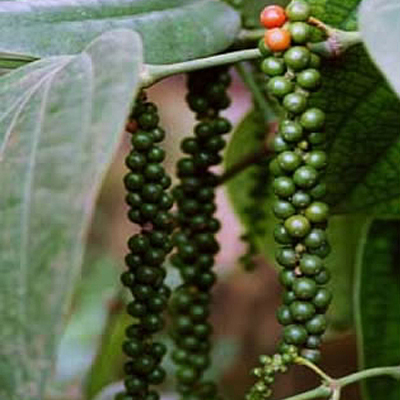
Blends well with: Juniper Berry, Rosemary,, Lavender, Bergamot, Lemon, Grapefruit, Ginger and Marjoram
Contraindications: May irritate the skin if used above a 2% dilution. Avoid during the first trimester of pregnancy. In higher doses it may stimulate the kidneys.
Black Pepper is one of my favourite warming oils. Its aroma is wonderfully spicy with a slightly fruity note. You might expect it to irritate the nose because of the name, but surprisingly it doesn’t. Instead it has a warm, comforting quality.
Because of its warming and stimulating nature it works particularly well in massage blends. It can be very helpful for fatigue, muscular stiffness and tired, aching limbs. Blended with oils such as Marjoram, Lavender or Rosemary it can bring welcome relief to overworked muscles.
It is also useful for digestive discomfort. Added to a warm compress or used in a gentle abdominal massage, Black Pepper can help ease stomach upsets and cramps because of its antispasmodic qualities.
I also enjoy using it in a diffuser with Rosemary when I am studying herbalism. I find the combination helps me stay focused and alert. Somehow it seems to help all the phytochemistry and biochemistry I’m learning actually stay in my brain!
Recommended Books
If you would like to explore aromatherapy in more depth, these are some of the books I have found particularly useful over the years:
- The Directory of Essential Oils by Wanda Sellar
- Encyclopaedia of Essential Oils by Julia Lawless
- The Aromatherapy Bible by Gill Farrer-Halls
When choosing essential oils, quality is extremely important. I always try to source oils that are high quality and ethically produced, ideally organic or wildcrafted where possible. Sourcing matters not only for purity, but also for the integrity of the plants and the land they come from. When you are working with oils that are this concentrated, quality really does make a difference.
If you would like to experience an aromatherapy massage, or have any questions about essential oils and how they may support your wellbeing, you are very welcome to get in touch. You can also visit my shop if you would like to purchase a gift voucher.
Here’s a link to Part 3